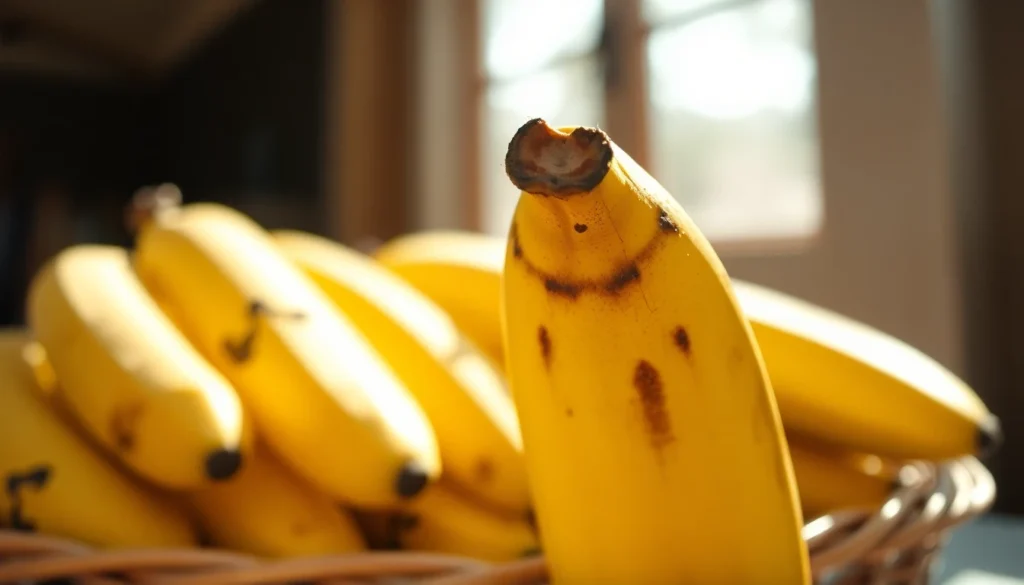
Many of us toss out bananas the moment they turn brown. But is the brown core really a sign of danger, or is there more to the story?
It’s a familiar scene: you buy a bunch of bananas, and within a few days, the fruit starts to develop those telltale brown spots. You might think, This banana is going bad—better to throw it away. But have you ever wondered if those brown cores or spots are actually harmful, or if they’re just a natural part of ripening? Chances are, you’ve dismissed them as signs of spoilage, yet beneath that brown skin might lie some surprising truths.
Bananas are one of the most popular fruits worldwide—affordable, nutritious, and convenient. But our perception of their safety often hinges on their appearance. The brown core or dark spots seem to signal aging or decay, and many assume they’re dangerous to eat. However, recent research and expert insights suggest that this isn’t necessarily the case. In fact, the browning is often a natural part of the fruit’s ripening process, and not a sign of toxin or danger. So, what is happening inside those bananas? And more importantly, should you still eat them when they turn brown?
What exactly is the brown core in bananas?
To understand whether the brown core or spots are dangerous, we first need to grasp what causes them. When bananas ripen, enzymes break down the fruit’s starches into sugars, leading to sweetness. During this process, cell walls weaken, and enzymes such as polyphenol oxidase react with oxygen, causing browning—similar to how an apple turns brown after being cut.
The brown coloration often appears as spots or a darker core when you peel the banana. This is simply a visual indicator that the banana is ripe or overripe. It’s not a sign of mold, bacteria, or toxins—it’s a natural chemical process. Sometimes, the core of the banana can appear darker because of internal changes, like enzyme activity or cellular breakdown, but that doesn’t mean it’s unsafe to eat.
Is it safe to eat bananas with brown cores?
The quick answer? Yes, in most cases, bananas with brown cores or spots are safe to consume. The browning is caused by enzymatic reactions and oxidation, not bacterial contamination or mold. In fact, many people prefer their bananas when they are very ripe because of the enhanced flavor and sweetness.
Of course, if the banana exhibits mold, a foul smell, or an unusual sliminess, then it’s best to discard it. But the presence of brown spots alone is not a sign of spoilage. Some experts even recommend eating bananas when they are heavily spotted or brown—because they are easier to digest and more nutritious. The key is to distinguish between natural ripening signs and actual spoilage.
Why do some bananas develop dark cores or spots? The science behind ripening
Ripening is a complex process involving multiple biochemical reactions. As bananas mature, the production of ethylene gas accelerates, triggering enzymatic activities that transform the fruit’s texture, flavor, and color. During this process, polyphenol oxidase catalyzes oxidation of phenolic compounds, resulting in the characteristic brown coloration.
Interestingly, internal browning or dark cores are more common in bananas stored at high temperatures or over extended periods. They are signs of advanced ripeness rather than spoilage. The darker the core or spots, the sweeter and softer the fruit becomes—making it ideal for smoothies, baking, or eating straight from the peel.
Many people worry about hidden dangers lurking in these brown areas, but the primary change is in texture and flavor—not safety.
Can overripe bananas be harmful?
It’s a common misconception that overripe or very brown bananas are hazardous. The truth is, when bananas become overly ripe, they contain higher levels of certain compounds like dopamine and antioxidants, which can be beneficial. However, if a banana develops mold, a sour smell, or a slimy texture, it’s a clear sign of spoilage, and you should toss it.
In some cases, overripe bananas can harbor mold or bacteria if stored improperly or kept for too long. But these are typically visible or smellable. The brown core itself, resulting from natural ripening, isn’t inherently dangerous.
How to tell if a banana is truly unsafe to eat
Knowing the difference between ripe and rotten is key to avoiding food waste and health risks. Here are signs that a banana is no longer safe:
- Slimy or excessively mushy texture
- Foul or sour smell
- Visible mold or fuzzy patches
- Discoloration with greenish or black fuzzy spots
If a banana shows any of these signs, it’s best to discard it. But if it just has brown spots or a dark core without other spoilage indicators, it’s perfectly fine to eat—and often more flavorful!
So, next time you see a banana with a brown core, remember: it’s probably ripening naturally, not turning dangerous.
➡️ How a simple decluttering rule can prevent mess from building up over time
➡️ Why houseplants die even when you water them regularly
➡️ This common bread storage mistake makes it go stale much faster
➡️ This tiny nighttime habit change can help you wake up feeling more rested
➡️ This charging habit slowly damages your device batteries without you noticing
➡️ The longest solar eclipse of the century might turn day into night unexpectedly
➡️ Why your dishwasher sometimes cleans poorly even when it isn’t full
Practical tips for handling ripe bananas
If you often find yourself with bananas that have turned too ripe, here are some simple strategies to make the most of them:
- Use overripe bananas in smoothies, pancakes, or banana bread—sweet and easy to mash.
- Freeze bananas in chunks for later use in desserts or smoothies.
- Store bananas in a cool, shaded place to slow down ripening.
- Separate bananas from the bunch to prevent ethylene from speeding up ripening.
- If the peel is heavily brown but the fruit inside is firm, it’s still good for cooking.
“The browning process in bananas is simply a part of natural ripening and not a warning sign for your health,” explains Dr. Lisa Martinez, a food scientist specializing in fruit ripening.
Reflecting on our perceptions of ripeness and safety
Many of us have been conditioned to associate brown or black spots with spoilage, but perhaps it’s time to rethink that assumption. Nature’s processes often appear less tidy than we like, but that doesn’t mean they’re dangerous. Recognizing the difference between natural aging and actual contamination can not only reduce food waste but also help us enjoy the bananas at their peak flavor.
In a world obsessed with perfect appearance, it’s worth considering that imperfection may be a sign of richness—of flavor, nutrition, and natural development. So, next time your banana’s core turns dark, take a moment to appreciate the beauty of natural ripening. Your taste buds—and the planet—might thank you.
Summary and key points
| Key Point | Detail | Benefit/Interest for Reader |
|---|---|---|
| Brown cores are natural | Caused by enzymatic oxidation during ripening | Understanding this helps reduce unnecessary waste |
| Safety of ripened bananas | Generally safe unless mold or spoilage signs are present | Eat ripe bananas confidently and avoid waste |
| Proper storage tips | Keep in cool, shaded, and separate from other fruits to slow ripening | Extend freshness and enjoy bananas at their best |
| Using overripe bananas | Perfect for baking, smoothies, and quick snacks | Maximize fruit utility and flavor |
FAQ :
- Are brown-core bananas safe to eat? Yes, unless they show signs of mold, sour smell, or sliminess, they are safe and often more flavorful.
- What causes internal browning in bananas? Enzymatic reactions during ripening cause browning, which is a natural process, not spoilage.
- Can overripe bananas make you sick? Not typically. They are safe unless visibly spoiled. Overripe bananas can be more nutritious and easier to digest.
- How can I tell if my banana has spoiled? Look for mold, sour smell, a slimy texture, or discoloration with fuzzy spots. These indicate spoilage.
- Should I throw away bananas with dark spots? Not necessarily. Dark spots often mean ripening, which is safe to eat and often tastier.